Tesla FSD
Tesla Cybercab · USA · Founded2016
Tesla Full Self-Driving (FSD) is the autonomous driving division within Tesla, the electric vehicle manufacturer founded in 2003 by Martin Eberhard and Marc Tarpenning. Elon Musk joined as chairman and lead investor in 2004 and later became CEO. Tesla's approach to autonomy is unique in the industry, relying exclusively on cameras and neural networks rather than the lidar sensors used by most competitors. This vision-only strategy leverages data from millions of Tesla vehicles on the road worldwide.
Key Metrics
About Tesla FSD
The FSD software suite has evolved through numerous versions, with each iteration improving the system's ability to handle complex driving scenarios. FSD v12, released in 2024, marked a major architectural shift to an end-to-end neural network that processes raw camera inputs and directly outputs driving commands, replacing much of the manually coded logic from earlier versions. By 2025, FSD v13 demonstrated significant improvements in highway and city driving with fewer interventions required.
Tesla's Cybercab, unveiled at the "We, Robot" event in October 2024, represents the company's purpose-built robotaxi platform. Unlike its existing vehicles that offer FSD as an add-on feature, the Cybercab is designed from the ground up as a dedicated autonomous vehicle without a steering wheel or pedals. Production of the Cybercab is targeted for 2026 at Tesla's new facility, with plans for a robotaxi network that would compete directly with Waymo.
The FSD program is led by Ashok Elluswamy, Tesla's Director of Autopilot and AI. Tesla's approach benefits from the largest real-world driving data pipeline in the industry, with its fleet of consumer vehicles logging billions of miles that feed into training its neural networks. Critics note that Tesla FSD still requires active driver supervision and has not yet achieved true Level 4 autonomy, but supporters argue that the data advantage and rapid iteration cycle will ultimately prevail.
Founders: Martin Eberhard, Marc Tarpenning
Headquarters: Austin, Texas
Latest Update
FSD v13 achieving high autonomy rates. Robotaxi (Cybercab) production expected to begin in 2026.
Key Milestone
Largest fleet-trained autonomous driving system with millions of vehicles collecting real-world data
Vehicles and Products
 Tesla (tesla.com)
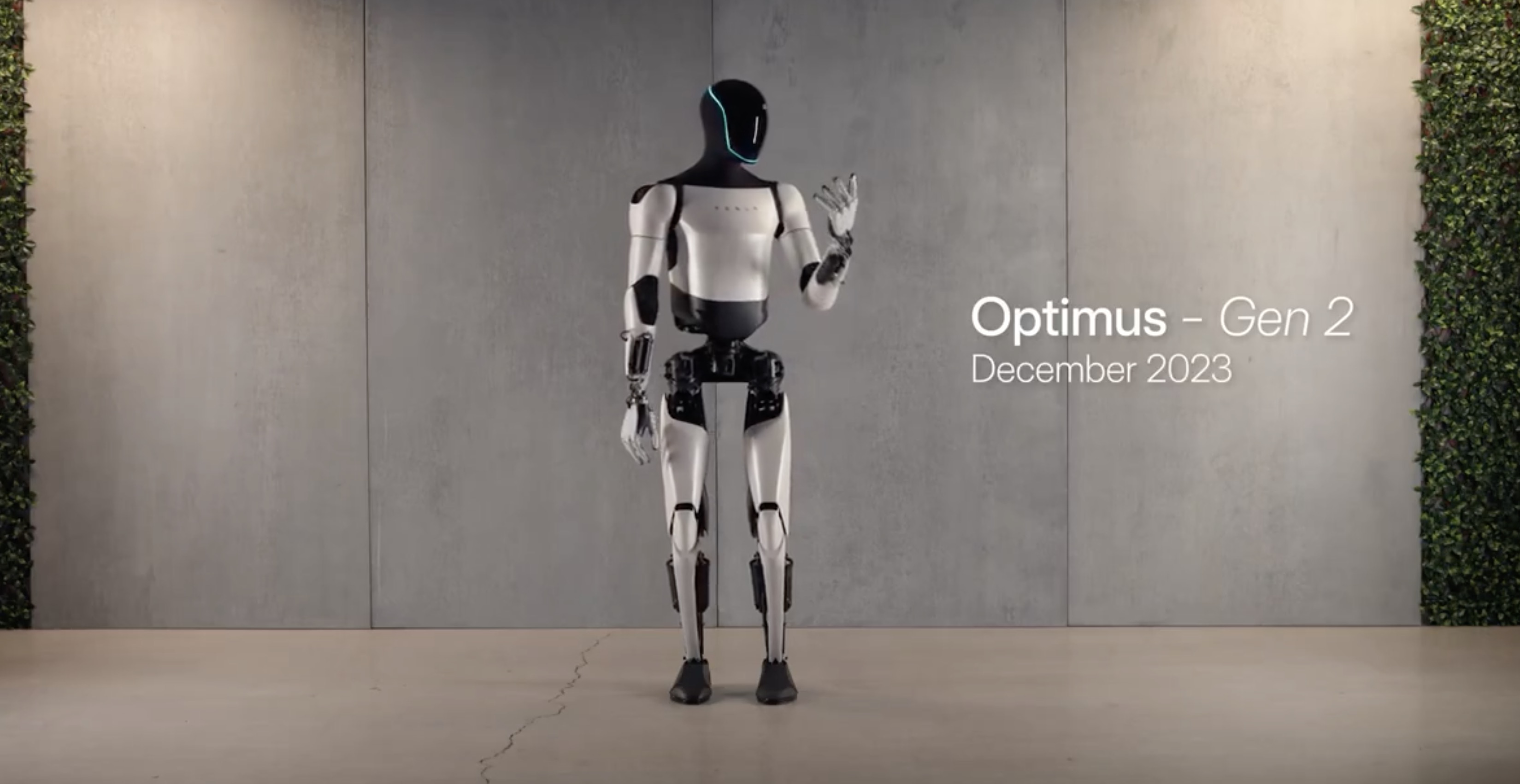
 Tesla Optimus Gen 2
Tesla Optimus Gen 2 is Tesla's second-generation humanoid robot, designed to perform repetitive industrial tasks autonomously inside Tesla Gigafactories. The Gen 2 design features improved hand dexterity and faster walking speed compared to its predecessor.
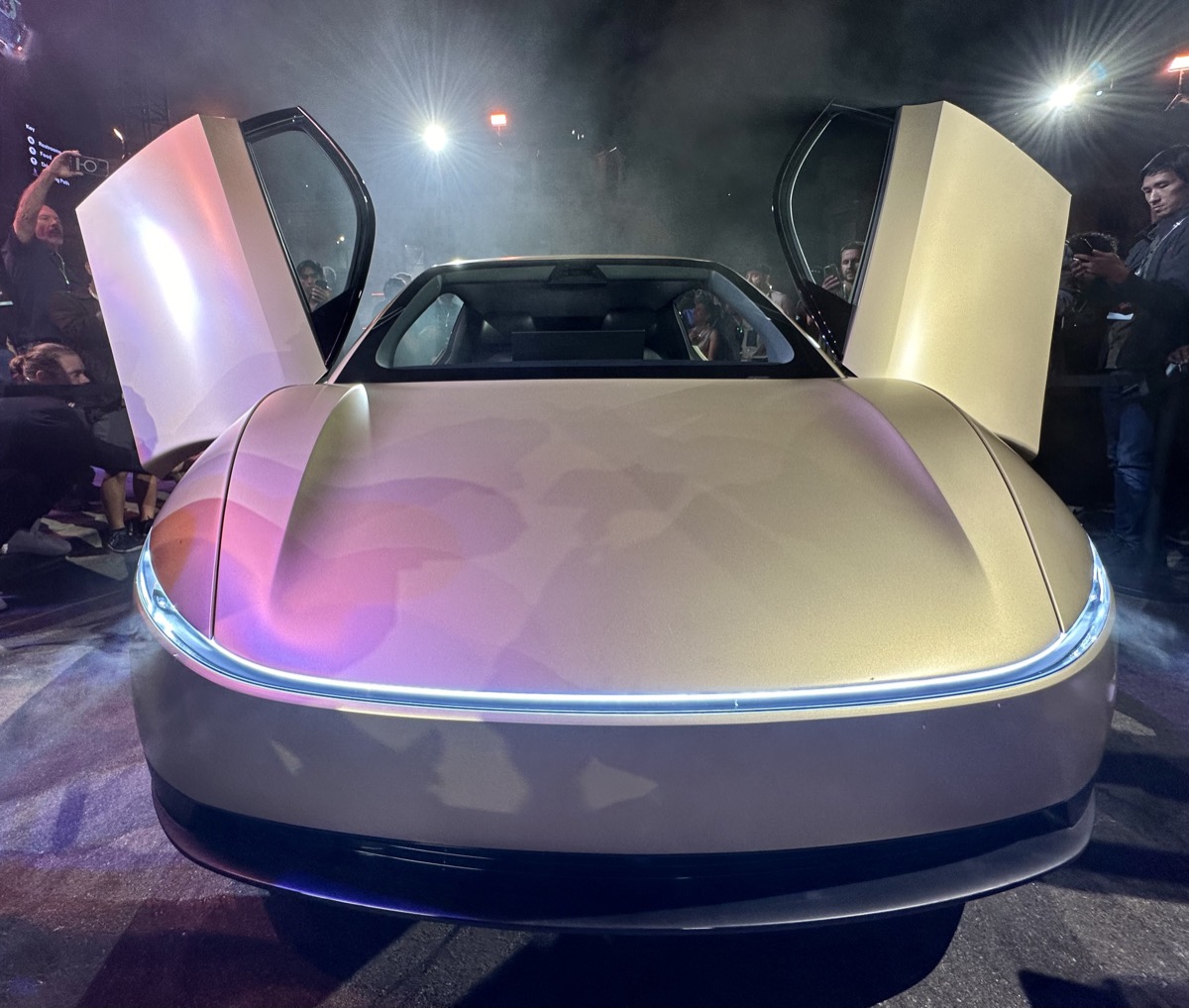
Tesla Cybercab
The Tesla Cybercab is a purpose-built 2-seat autonomous robotaxi with no steering wheel or pedals. Powered by Tesla HW5 AI computer and a camera-only vision system, it represents Tesla's bet that pure vision can achieve full autonomy. With inductive wireless charging and an estimated $30,000 price point, Tesla aims for mass-market robotaxi deployment in 2026-2027.
Frequently Asked Questions
Is Tesla FSD truly self-driving?
Tesla FSD is currently classified as a Level 2 advanced driver-assistance system, meaning the driver must remain attentive and ready to take over at all times. It can handle many driving scenarios autonomously, but it is not yet approved for fully driverless operation. Tesla is working toward Level 4 autonomy with the Cybercab platform.
Why does Tesla use cameras instead of lidar?
Tesla CEO Elon Musk has argued that humans drive using vision alone, so cameras and neural networks should be sufficient for autonomous driving. This approach is significantly cheaper than lidar-based systems and can be deployed across Tesla's entire consumer fleet. The trade-off is that camera-only systems may struggle in certain edge cases where lidar provides superior depth perception.
What is the Tesla Cybercab?
The Cybercab is Tesla's purpose-built autonomous robotaxi, unveiled in October 2024. It is a compact two-seater vehicle with no steering wheel or pedals, designed exclusively for autonomous ride-hailing. Tesla plans to begin production in 2026 and operate the vehicles through a Tesla-managed robotaxi network.
How much does Tesla FSD cost?
Tesla FSD is available as a subscription for $99 per month or as a one-time purchase for $8,000 on compatible Tesla vehicles. The price has fluctuated over the years. Access to FSD includes features like Autosteer on city streets, automatic lane changes, and traffic light recognition.
Sources
- Tesla Autopilot and FSD Official Page - accessed 2026-03-28
- Tesla AI and Autonomy Overview - accessed 2026-03-28
- Tesla Investor Relations - Quarterly Updates - accessed 2026-03-28